Property Enhancements
Landscape Bed Maintenance in Frederick, MD
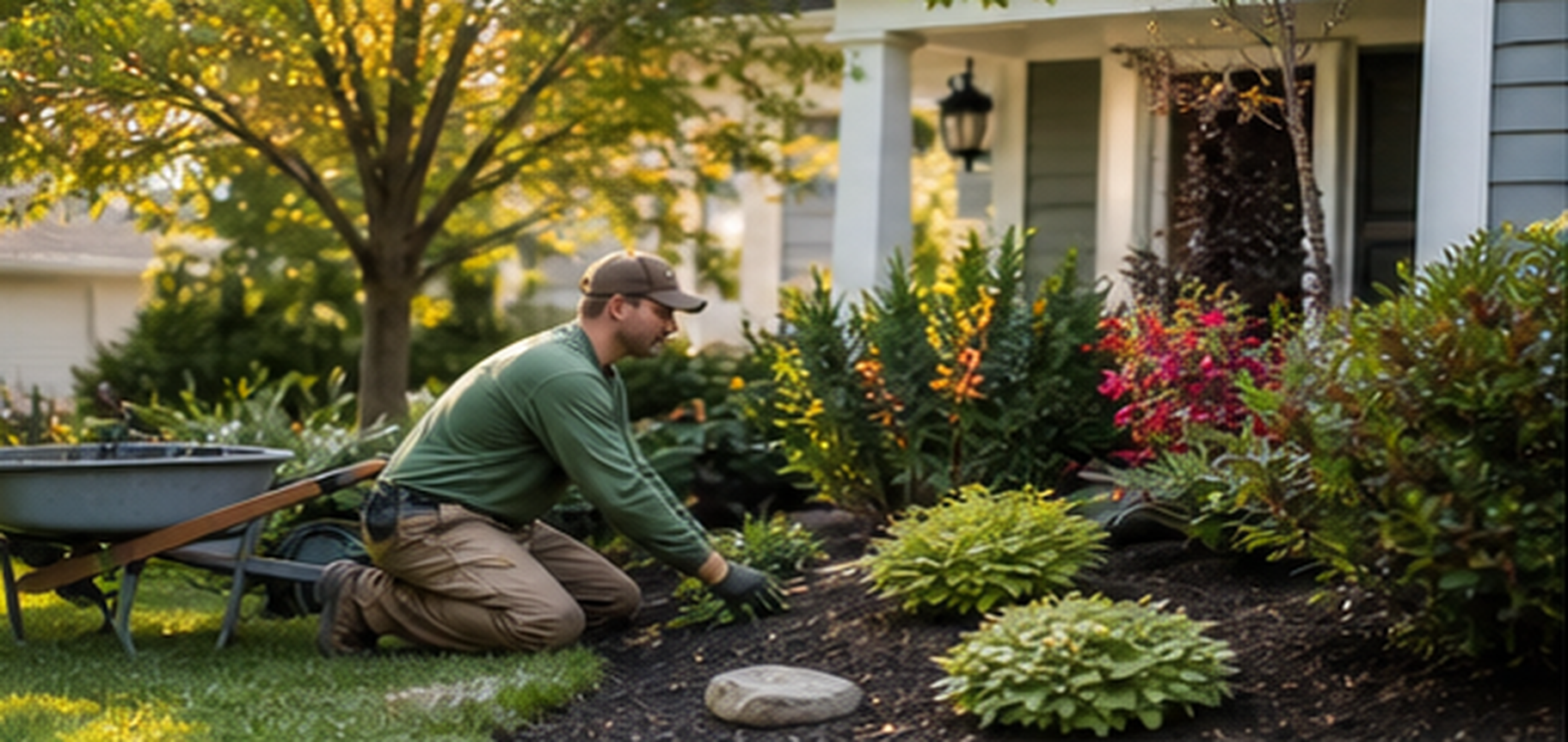
Edge definition, weed management, mulch upkeep, and debris removal for Frederick landscape beds — kept on a recurring schedule that prevents overgrowth and keeps the property looking maintained.
Landscape beds that receive recurring maintenance hold their edge lines, mulch depth, and weed-free surface more effectively than beds that receive one annual cleanup and then go unattended through the season.
Weed pressure in Frederick beds peaks in spring (April–June) when soil temperatures warm and annual weed seeds germinate. Recurring bed maintenance during this window prevents the weed population from establishing and going to seed.
Bed edges along turf collapse progressively — grass rhizomes and stolons push into the bed area over time. Regular re-edging maintains the defined line without requiring a major restoration reset each spring.
Recurring Bed Maintenance
Why Beds Need Recurring Attention, Not Just Annual Cleanup
A landscape bed in Frederick looks its best in the first week or two after an annual cleanup and mulch refresh. By July, the mulch has faded, weeds have pushed through in thin spots, the edge line has softened, and the overall effect is noticeably less maintained. One cleanup per year is a reset that wears off quickly. Recurring bed maintenance — monthly or every 6 weeks through the growing season — keeps weed pressure low enough that each visit is manageable, maintains the edge line before grass re-invades the bed, and allows mulch to be refreshed in targeted areas rather than requiring a full application. The result is beds that look maintained consistently, not just after each annual visit.
Weed Management in Frederick Beds by Season
Weed management in a Frederick landscape bed follows the season. Spring annual weeds — chickweed, bittercress, hairy bittercress — germinate early and can set seed within a few weeks if not removed. Removing them before they seed dramatically reduces the following year's weed pressure. Summer annuals — crabgrass in bed edges, spurge, purslane — establish in mulch that has shifted or thinned and in areas where bare soil is exposed. Fall perennials and biennials — thistle, wild carrot, clover — establish in fall and overwinter as root systems that are harder to remove the following season. Recurring bed maintenance matches weed removal timing to the weed lifecycle rather than applying one annual effort that only partially addresses what's present at that moment.
Bed Edge Maintenance
A clean bed edge is re-cut each visit to prevent turf encroachment. We use a half-moon edger or string trimmer depending on the edge type and existing border condition. Edges cut on a consistent schedule require less effort per visit than edges cut once and left to collapse.
Mulch Top-Off
Rather than a full annual mulch refresh, ongoing bed maintenance includes targeted mulch addition in areas where depth has dropped below 1 inch or where bare soil is visible. Smaller, targeted applications are more cost-effective than annual full-depth replacement.
What a Bed Maintenance Visit Includes
Edge Refreshing
Bed borders are re-cut or freshened to maintain clean separation between turf and bed area.
Hand Weeding
Visible weeds are removed by hand or with cultivation tools — including root removal for perennial weeds rather than just top removal.
Mulch Assessment
Mulch depth and coverage are checked. Thin areas are flagged and addressed with targeted mulch addition or scheduled for a full refresh application.
Debris Clearing
Fallen leaves, twigs, and organic debris are removed from bed surfaces. Hardscape borders are blown clear of clippings.
Keep Your Frederick Beds Maintained Through the Season
Tell us your bed count and current weed pressure and we'll recommend a recurring maintenance frequency and provide an estimate.
How often should landscape beds be maintained in Frederick?
Monthly visits through the active growing season (April through October) keep weed pressure manageable and maintain edge and mulch condition without letting any single visit become a restoration project. Every 6 weeks works for beds with lower weed pressure or heavier mulch coverage. Annual-only service is a reset, not maintenance — the beds will look good briefly and then decline through the season.
Do you apply herbicide in landscape beds?
We can apply pre-emergent granular herbicide to beds as part of a spring maintenance visit — this reduces germination of annual weed seeds in the mulch layer. Post-emergent herbicide in beds requires careful application to avoid contact with ornamental plants. For most established beds, hand removal combined with pre-emergent is the most reliable and least-risk approach.
Can you maintain beds that have significant overgrown weed pressure?
Yes, but heavy weed pressure requires an initial restoration visit before transitioning to recurring maintenance. A bed that hasn't been maintained in a season or more may need clearing, re-edging, and mulch before a standard maintenance frequency is appropriate. We'll assess on-site and recommend whether a restoration visit or phased approach makes more sense.
Mulch Installation
Full mulch application for Frederick beds at the correct depth — coordinated with bed cleanup and edging.
Spring Yard Cleanup
Spring cleanup and bed reset before the recurring maintenance season begins.
Curb Appeal Packages
One-time or scheduled curb appeal work for Frederick properties — coordinated bed, lawn, and entry cleanup.